
Home > Single Post
THE UNZA HOSTELS PPP AGREEMENT IS ABOUT DIGNITY, SAFETY, AND OPPORTUNITY FOR OUR YOUNG PEOPLE
– By Dr. SITUMBEKO MUSOKOTWANE, MP, Minister of Finance & National Planning, and Chairperson of the PPP Council of Ministers.
Finally, the University of Zambia (UNZA) will have an additional 6, 480 bed spaces in 24 months. Currently, the bulk of the existing hostels, totalling 4, 179 bed spaces, were built by the UNIP Government led by our first and founding President, Dr. Kenneth David Kaunda, blessed memory.
For many years, some students at the University of Zambia (UNZA) have carried a burden that should not be treated as normal. They have gone to class while worrying about where to sleep, how far they must travel, whether their boarding place is safe, whether water and sanitation are reliable, and whether they can study in peace after lectures.
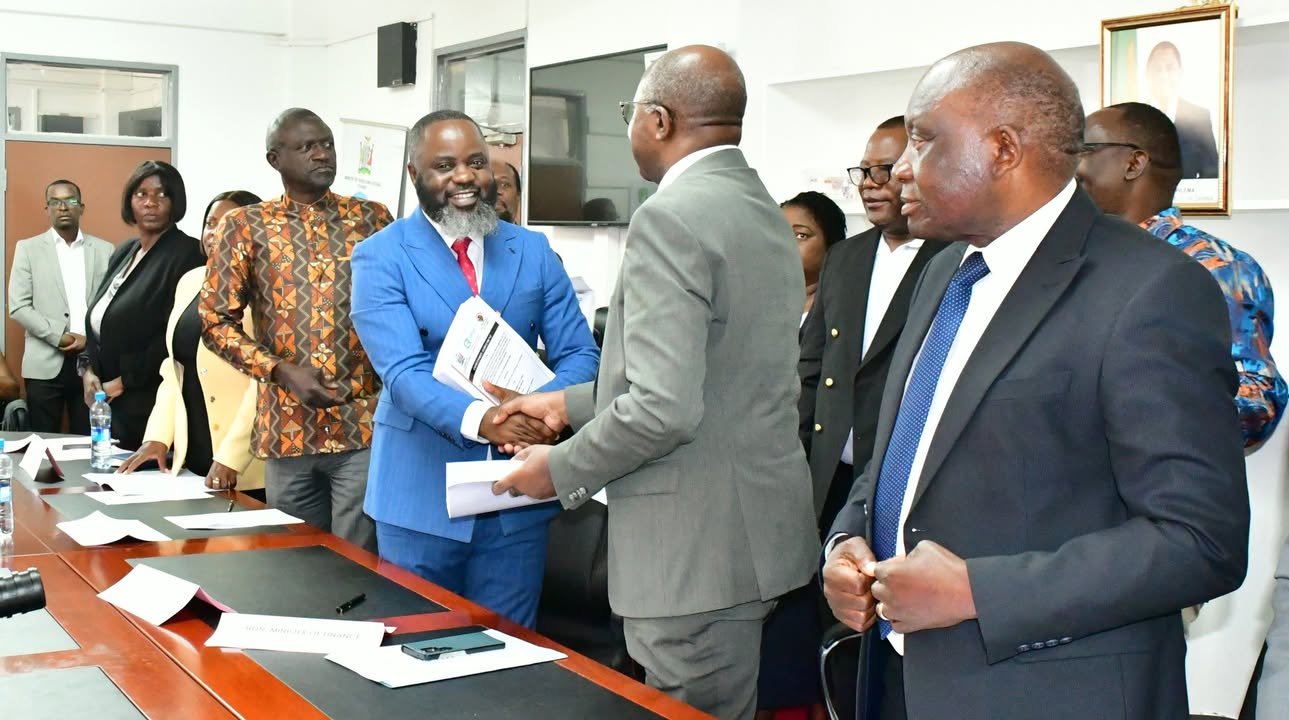
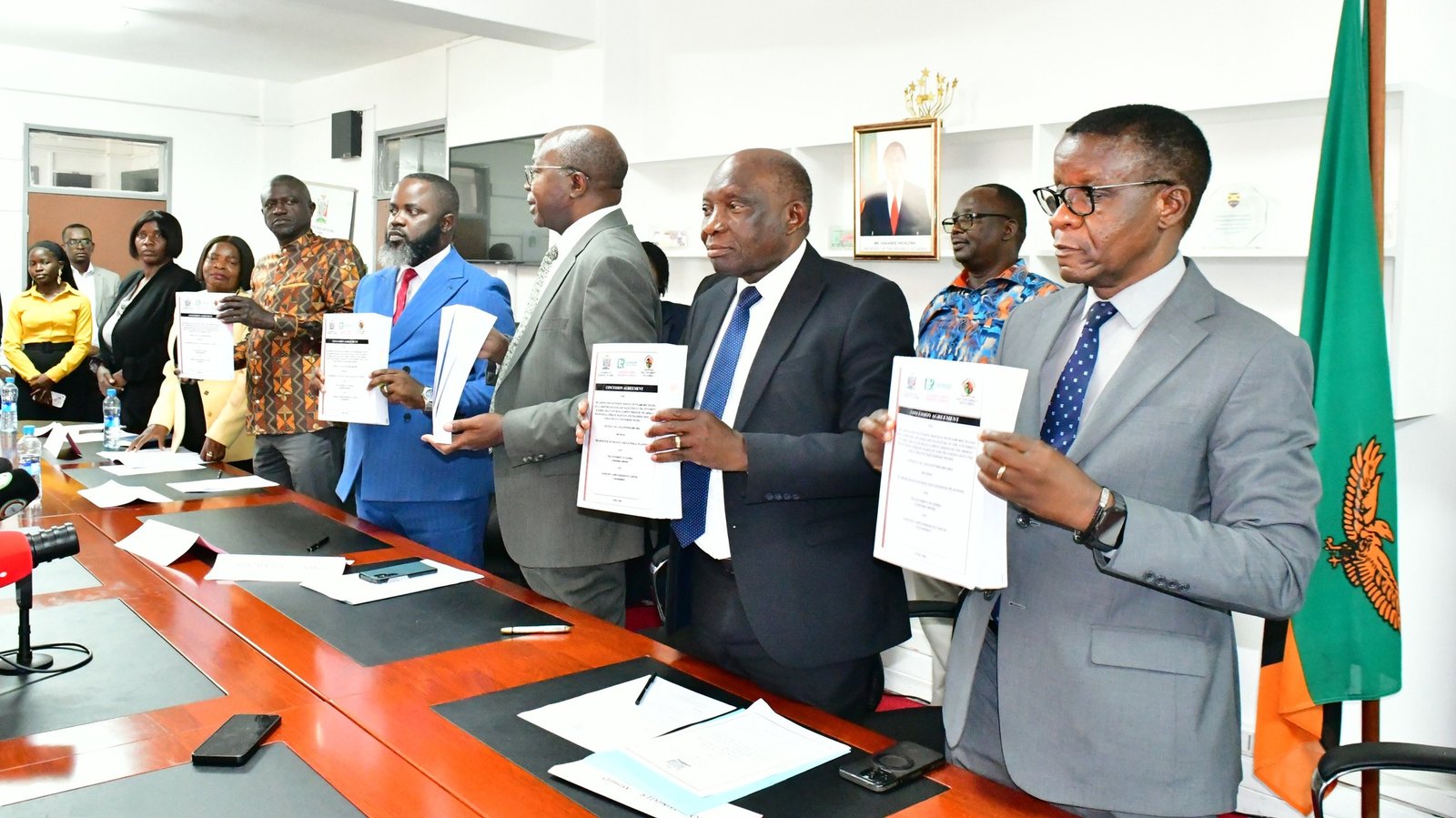
That is why the newly signed Public–Private Partnership agreement for student hostels at the University of Zambia Great East Road Campus must be understood in simple terms. It is not just about buildings. It is about dignity. It is about safety. It is about giving young people a fair chance to learn, succeed, and prepare themselves to serve Zambia.
Under this agreement, UNZA will receive an additional 6,480 bed spaces within 24 months. The project will be undertaken by GOODLIFE CAMPUS RESIDENCE LIMITED under a structured PPP arrangement, with a capital investment of about K1.1 billion by the private partner.
The model is Design, Finance, Build, Operate, Maintain, and Transfer. This means the private partner will finance, build, operate, and maintain the hostels during the concession period, after which the facilities will be transferred to UNZA.
The agreement will also ensure that UNZA benefits directly from the project. The rental revenue-sharing arrangement provides for 3 percent from year 3 to year 11, and 8 percent from year 12 to year 27. This means the University will derive value while the private partner carries the responsibility of delivery, operations, maintenance, and service standards.
Let us be clear. The Government is not abandoning responsibility. The Government is using a practical and legally guided way of delivering infrastructure faster, without placing the full burden on taxpayers or increasing pressure on the Treasury.
Public resources alone cannot meet every infrastructure need at once — schools, roads, hospitals, water systems, energy infrastructure, industrial yards, and student hostels all require financing. Well-structured PPPs help bring private capital and technical capacity into public service delivery while protecting the public interest.
At UNZA, the need is urgent. As of December 2025, the University had a student population of 35,131 against only 4,179 available bed spaces, creating a shortfall of more than 18,000 bed spaces.
The shortage has pushed many students into overcrowded rooms, long-distance commuting, unsafe boarding houses, and expensive off-campus accommodation. For some students, the struggle for accommodation has become part of the academic challenge itself.
A student who sleeps safely, studies quietly, reaches class on time, and has access to clean water and sanitation is better positioned to perform well. A student who must wake up very early to travel long distances, worry about unsafe surroundings, or share unsuitable accommodation is already disadvantaged before entering the lecture room.
This is why the UNZA hostels PPP is a student welfare issue, an education issue, and a national development issue which we are taking seriously.
For students, success of the initiative will be measured in practical terms only if safe rooms, clean surroundings, reliable water, proper sanitation, reasonable access to lectures, transparent allocation, and fair management of the facilities – fall in place at the end of construction.
For parents, it means peace of mind.
For the University, it means a better learning environment.
For the country, it means investing in the human capital Zambia needs for higher growth, productivity, innovation, and jobs.
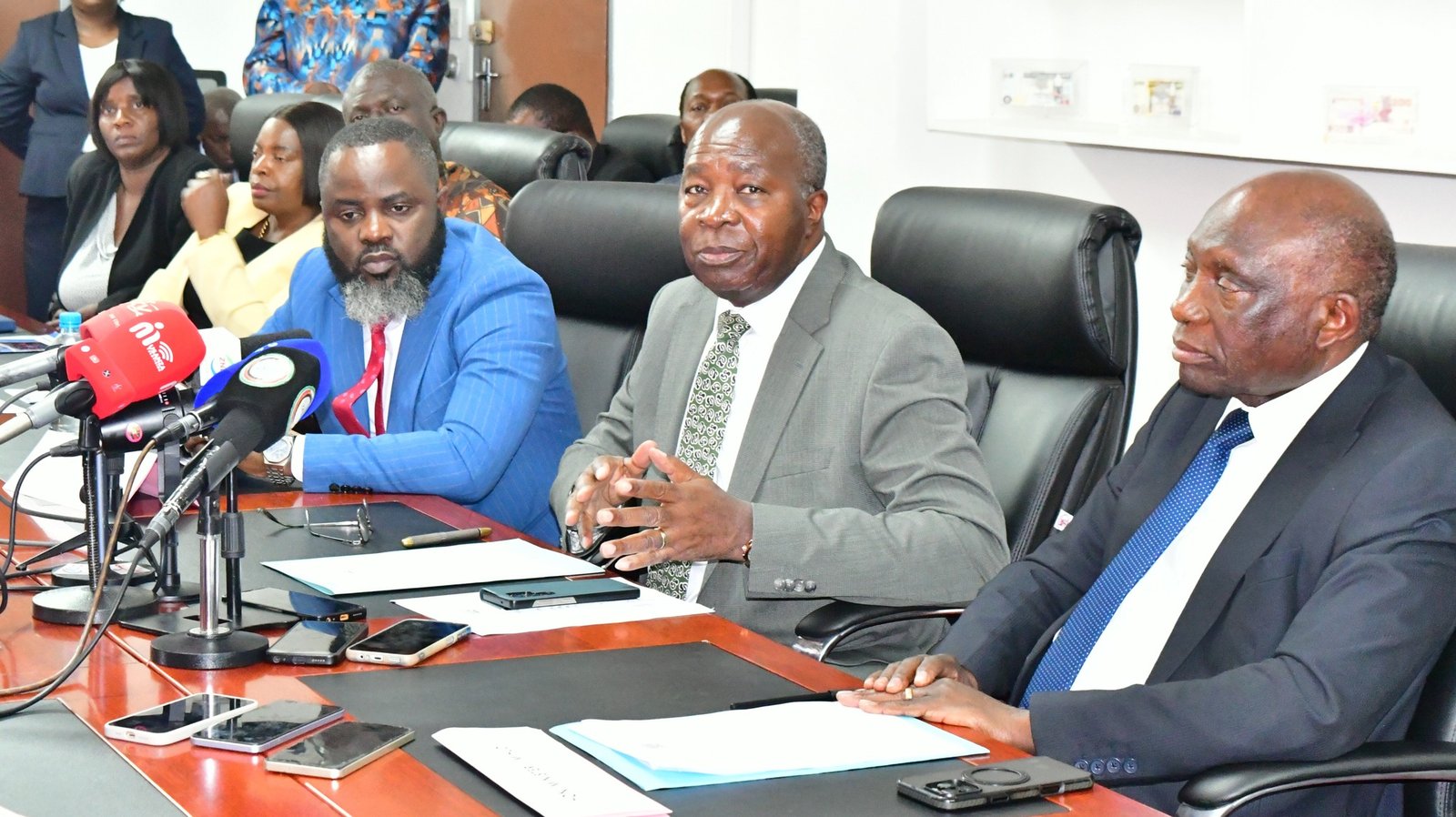
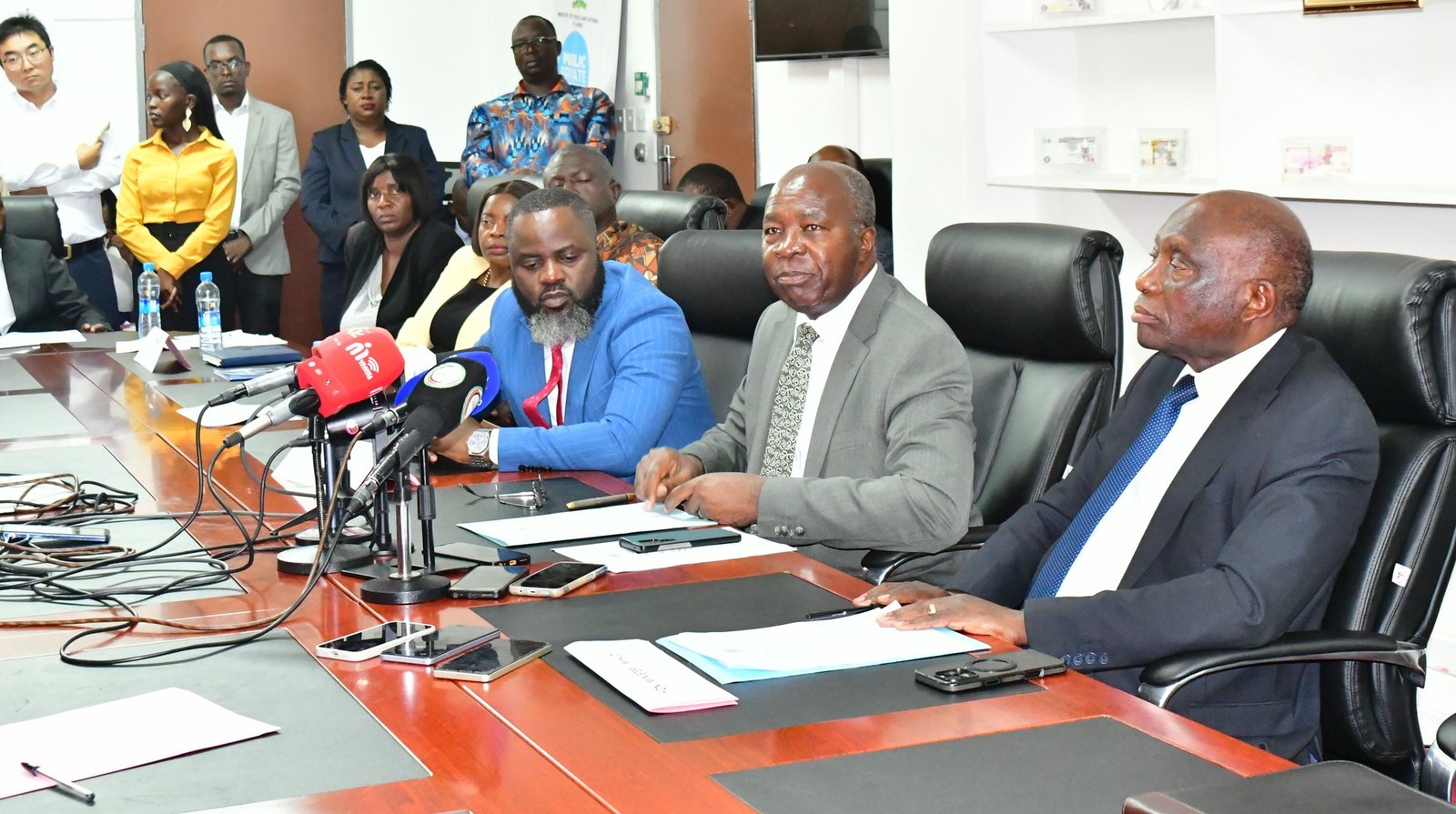
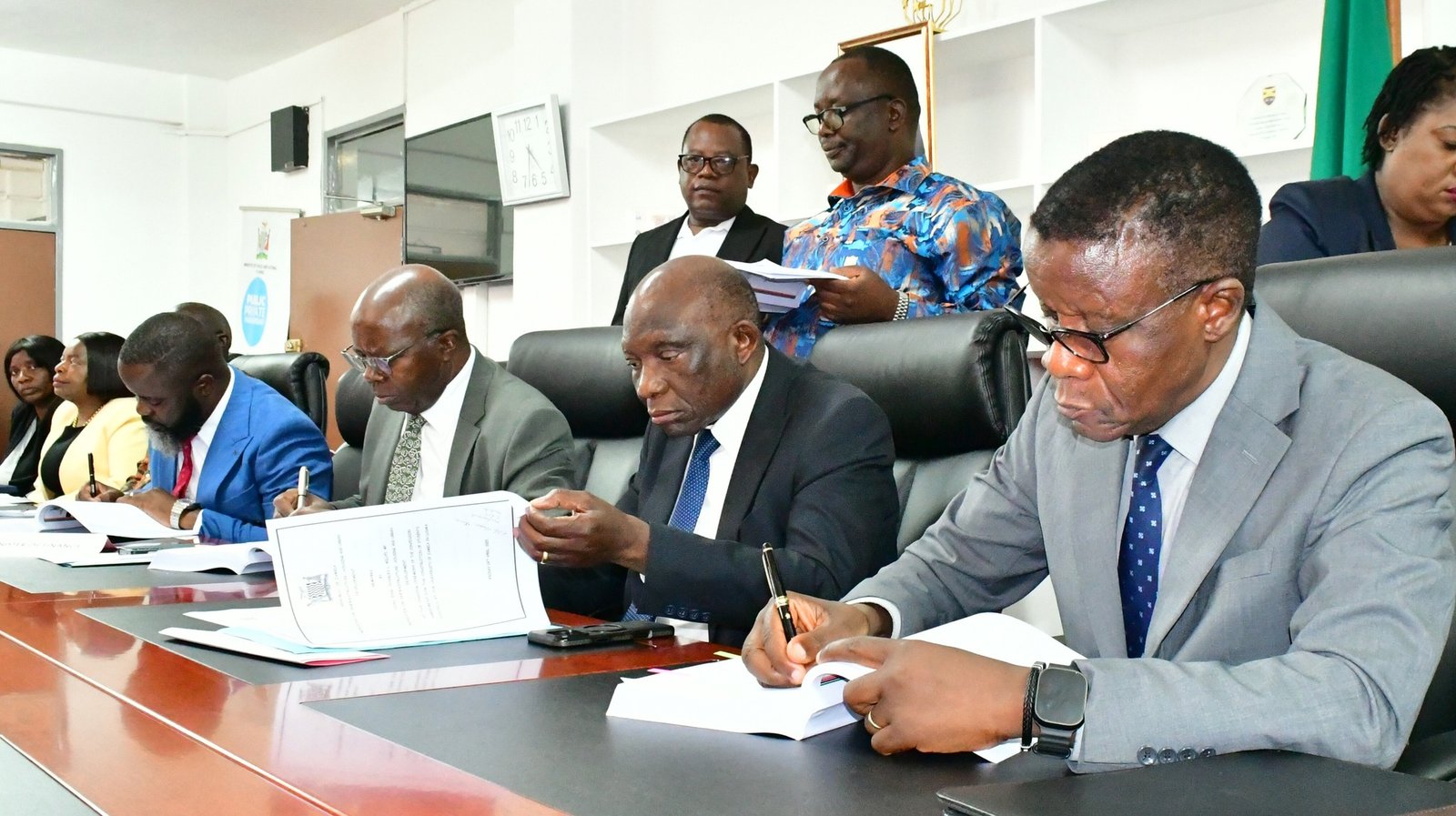
I was particularly encouraged by the voice of the students themselves. During the signing ceremony, UNZASU President MWANTO KABASO welcomed the 6,480 bed spaces as a turning point in student welfare. He rightly reminded us that a university is not complete with lecture rooms alone. He observed that a proper learning environment must include decent accommodation, water, sanitation, safety, and conditions that allow students to concentrate and thrive.
I also noted his appreciation to the Government led by PRESIDENT HAKAINDE HICHILEMA, and to the project partners, for responding to a challenge that has affected student dignity, safety, concentration, academic performance, and the wider university experience for a very long time.
His message was clear. That young people are not asking for luxury but seeking conditions that will allow them to learn properly.
To UNZA students, rest assured that this project is about you. It is also about reducing the risks that come with unsafe boarding arrangements, long-distance commuting, overstretched facilities, and uncertain living conditions. It is about restoring confidence that public institutions can respond to real problems in practical ways.
To parents and guardians, the Government understands the anxiety of sending a child to university without knowing whether that child will have safe and decent accommodation. We know that when a student lives safely and studies in a stable environment, the chances of academic success are improved.
This project also fits into the broader education agenda. Since the introduction of free education in 2022, more than 3.5 million learners have returned to school.
Each year, about 170,000 to 180,000 learners complete Grade 12, and this number is expected to grow as more children progress through the education system. That is good for Zambia. But it also means we must prepare our colleges and universities to receive more young people with dignity and quality.
UNZA is one of Zambia’s most important national institutions. For decades, it has produced Teachers, Doctors, Engineers, economists, public servants, entrepreneurs, innovators, and leaders. I am also a product of this University. But we must be honest that much of UNZA’s infrastructure was built many decades ago, especially during the UNIP administration under our first and founding PRESIDENT, Dr. KENNETH DAVID KAUNDA, blessed memory. That infrastructure has come under pressure from rising enrollment and limited maintenance over many years.
Therefore, the recently signed PPP initiative should be seen as a beginning, not the end because UNZA still requires wider renewal, including rehabilitation of existing hostels, water and sanitation systems, roads, teaching facilities, laboratories, drainage systems, the main library, and other infrastructure that supports academic excellence.
The University has also identified further opportunities, including rehabilitation of existing student hostels, conversion of some houses into postgraduate and international student villas, and development of a new Goma Fields Sports Complex.
These ideas show that UNZA is not only asking for support but thinking about renewal, sustainability, and the future.
We commend Goodlife Campus Residence Limited, Stanbic Bank, JM Turnkey Construction Limited, University of Zambia Council, University Management, the PPP Council of Minister’s, the PPP Office, the Government Negotiating Team, and all institutions that worked to bring the agreement to signature.
Signing is only the first step. Delivery is what matters. So, we expect timely financial close, strict adherence to agreed milestones, transparency, accountability, and quality construction. The facilities must be safe, modern, well-managed, and properly maintained throughout the concession period and beyond.
For citizens, the message is this: PPPs are not a shortcut around accountability. Properly structured PPPs are a way of delivering public infrastructure while preserving fiscal discipline. They allow Government to mobilize private financing and expertise without immediately drawing from the Treasury or resorting to heavy borrowing.
For investors, the message is also clear: Zambia is open to credible, well-structured partnerships that serve both public welfare and commercial sustainability.
In the end, the project is about more than 6,480 bed spaces. It is about building confidence. It is about telling young people that their living conditions matter. It is about telling parents that the Government hears their concerns. It is about telling the University that renewal is possible. It is about telling the country that education infrastructure is part of national transformation.
The signing of the #UNZA hostels PPP agreement speaks directly to PRESIDENT HAKAINDE HICHILEMA’S broader vision of education as the foundation of Zambia’s future.
By expanding access to learning, investing in safer and more dignified accommodation, and strengthening the infrastructure that supports universities, we are building the human capital required for a more skilled, productive, and competitive economy.
We are building more than hostels. We are building opportunity.
We are investing in students today, strengthening university education for tomorrow, and helping prepare Zambia for a future of jobs, investment, growth, and shared prosperity.
Facebook
Twitter
LinkedIn
Recent Post
April 29, 2026
No Comments
April 29, 2026
No Comments